Reactions to the Derek Chauvin Verdict by Two CSSW Professors
Two of our professors, Carmela Alcántara and Courtney Cogburn, contributed to an “In Brief” feature on Columbia News, Reactions to the Chauvin Trial Guilty Verdict, posted on April 20, 2021. Their responses are republished here with Columbia News’ permission.
“Let us build on this momentum today and (re)commit ourselves to center anti-Black racism.”
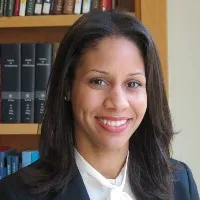
Carmela Alcántara
The guilty verdict on all three counts in the killing of George Floyd by ex-police officer Derek Chauvin is a welcome outcome that humanizes Black suffering, but it does not reflect true justice. Instead, this historic moment represents an opportunity for us all (Black Indigenous and People of Color along with White-identified people) to be filled with hope and, more importantly, to transform that hope into a renewed sense of purpose in our collective efforts toward racial justice. Let us build on this momentum today and (re)commit ourselves to center anti-Black racism in the places closest to us, where we work, play, and live—this is our call to action.
“The verdict was the right decision, but it is not justice.”
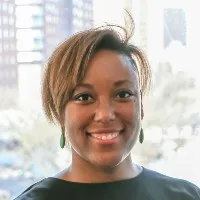
Courtney Cogburn
I was in a meeting when I received a notification that the jury had reached a verdict. My heart dropped, my face changed, I teared up and I started to stumble over my words. I explained why I was having this reaction and then said, “I’m scared.” They offered to end the meeting, but I welcomed the distraction.
When we are calculating the toll of racism on Black bodies, we should own that this too is racism, this is an exposure to racism—waiting for verdicts, expecting the worst, and unable to hold hope for fear of the devastation that will follow. These feelings are not only about the accumulation of racial injustice, particularly as related to police violence, but in this case, and in the opinion of many, the murder or rather the public lynching of George Floyd could not be clearer—the possibility that there is no legal response to an act so depraved, well-documented and witnessed would be absolutely devastating.
For me, it will also mean a deep reflection of whether it is possible to produce the science necessary to right the wrongs so deeply engrained into the fabric of our country and whether I can continue my work examining racism while also protecting my sanity, well-being, and soul.
And in spite of the guilty verdict, I remain terrified. The verdict was the right decision, but it is not justice.